
Guides
Turn a Shopify store into an iOS and Android app without code
June 28, 2026 • 7 min read
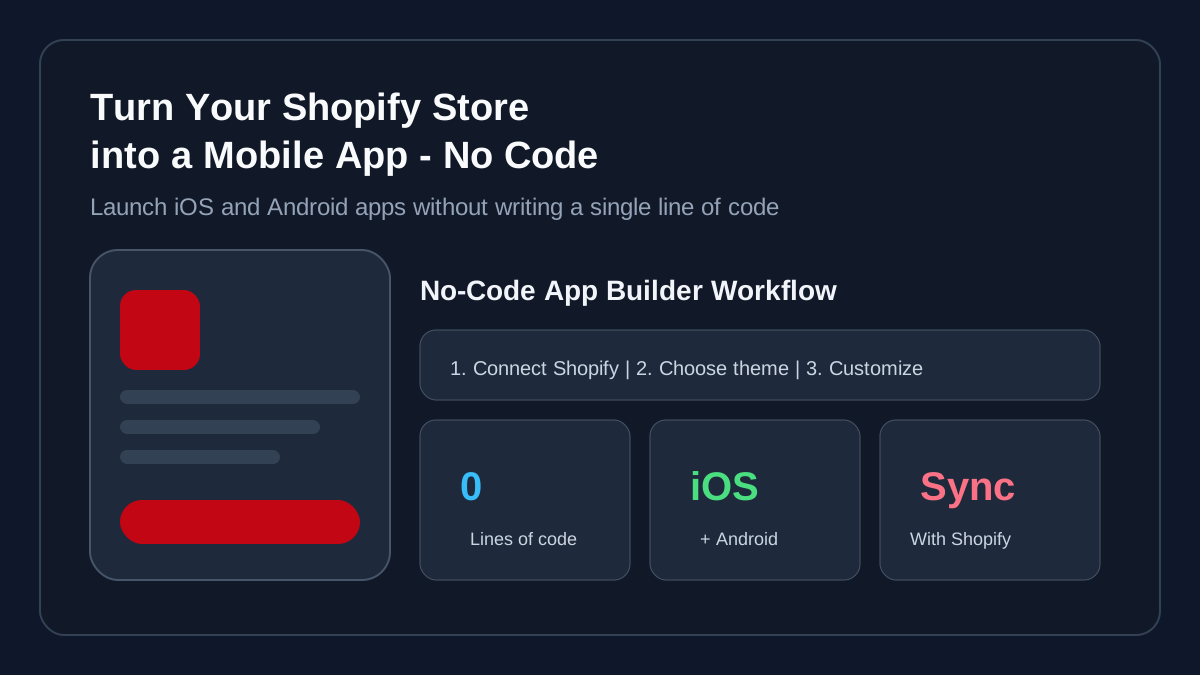
You do not write Swift or Kotlin for a standard Shopify storefront app. You install a builder, map your theme into screens, and use Shopify as the source of products and checkout.
1. Install Appziot on the store
From apps.shopify.com/appziot, add the app to the store you care about (not a throwaway duplicate if you want real catalog data). Grant the permissions it asks for products, collections, and orders. Lite is $29/month after the 30-day trial, Starter is $99/month, and Growth is $199/month.
2. Build the home screen in the editor
In the Appziot dashboard, start with home: logo, hero, collection grid, and a path into search. Reuse the same brand colors you already use on the website. Preview on a phone-sized frame before you touch product templates.
3. Product, collection, and cart
Point collection widgets at live Shopify collections, not static lists. Cart and checkout should use Shopify’s checkout so discounts and shipping stay the ones you already configured. If something does not sync, fix it in Shopify Admin first — the app is a window, not a second inventory.
4. Push and theme
Turn on push for cart recovery after the UI is stable. Theme tokens live in the theme editor so you are not hunting hex codes per widget. Details on campaigns: /blogs/abandoned-cart-recovery-shopify-mobile-app.
5. Apple and Google
Create (or reuse) an Apple Developer Program membership and a Google Play Console account. Screenshots, privacy policy URL, and age rating are yours to fill. Appziot’s checklist is /blogs/shopify-app-store-submission-guide. Many stores finish the builder work in a day; store review is on Apple’s and Google’s clocks.
What you still cannot skip
Legal pages, tax, and shipping are Shopify work. A builder will not invent a 3PL integration you never set up. If you need a custom native scanner or AR try-on, that is a separate build — launch the storefront app first.